Mentoring machines may sound strange or maybe even a little uncomfortable, but it signals something uniquely human about how we imagine our relationship to emerging technologies.
Mentoring Machines

Mentoring machines may sound strange or maybe even a little uncomfortable, but it signals something uniquely human about how we imagine our relationship to emerging technologies.

The content discusses the impact of AI on communication design education, emphasizing the importance of understanding rhetorical purpose over product appearance to foster meaningful learning and critical engagement with technology.

As I write this in late December, I'm coming to the end of my first faculty development leave—a full semester away from teaching and formal service obligations. Like many academics taking their first sabbatical, I approached it with a mix of excitement and uncertainty. Would I actually be more productive? Would I feel guilty about … Continue reading Reflections on My First Sabbatical
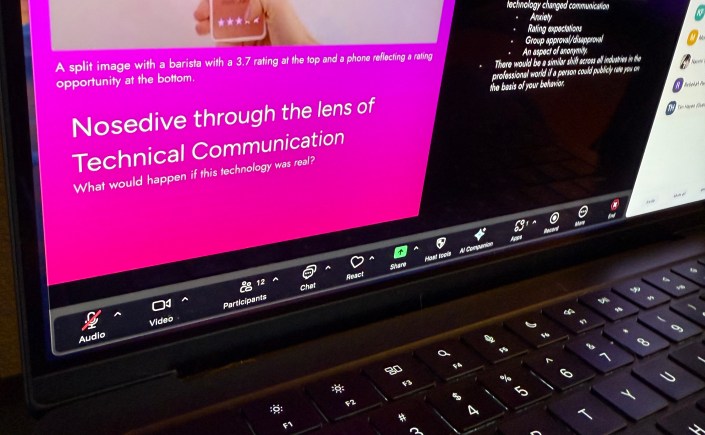
As I wrap up another summer rhetoric course, I'm sitting here with that bittersweet feeling that comes at the end of every term—exhausted but energized, ready for a break but already missing the weekly conversations that pushed my own thinking in surprising directions. This was my fourth time teaching "the Black Mirror course," but my … Continue reading Another Summer Through Black Mirror

Conferences on My Mind Yesterday, I opened my mailbox to find the latest issue of Composition Studies, featuring a special forum on academic conferences. As I flipped through the pages, reading perspectives from conference organizers across writing studies about the past and future of our field's gatherings, I realized that conferences have been occupying an … Continue reading On Community, Care, and Academic Gatherings
 Jason Tham, Ph.D.